Top Strategies for Safe and Humane Wildlife Removal Solutions
Proper wildlife removal necessitates an equilibrated strategy that emphasizes humane and safe practices. Cities and suburban neighborhoods frequently encounter issues with numerous wildlife species. Understanding these typical challenges is vital for proper animal control. Applying ethical trapping practices and effective relocation solutions can significantly minimize distress for the wildlife. Property owners can likewise contribute to prevention efforts. Understanding these strategies can lead to better coexistence with local wildlife, however the nuances of execution are essential.
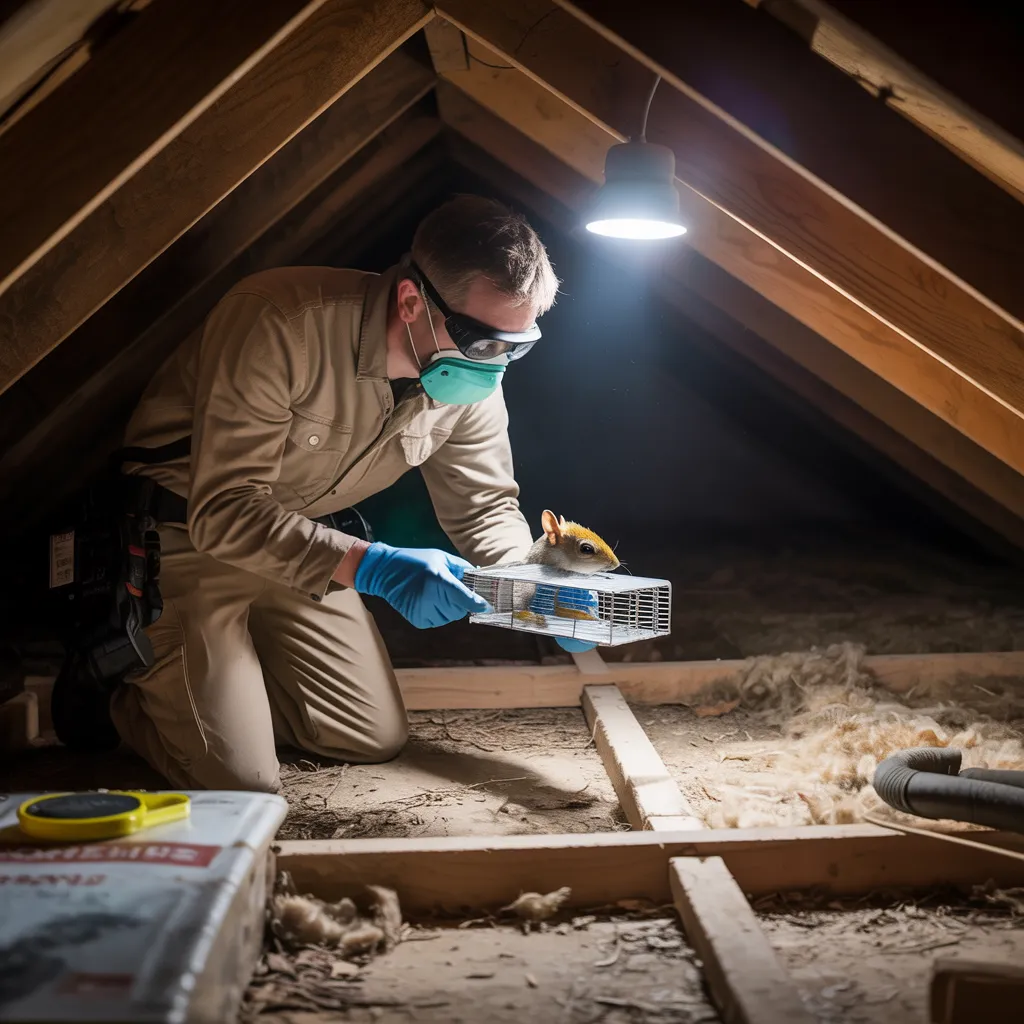
Identifying Common Wildlife Problems in Urban Areas
As urban environments expand, they inevitably encounter a range of animal-related challenges that can impact both natural habitats and daily human activities. Common problems include the intrusion of raccoons, squirrels, and pigeons, which regularly look for sustenance and refuge in populated areas. Raccoons are known for rummaging through garbage, while squirrels may cause property damage by inhabiting attics or gnawing on wiring. Pigeons create health concerns as their waste can contain harmful bacteria. Furthermore, stray cats and dogs may accelerate local wildlife reduction by hunting indigenous species. The invasion of natural spaces results in growing tensions between humans and wildlife, frequently causing structural damage and raising safety issues. Comprehending these matters is critical for neighborhoods working to balance urban expansion with the protection of native habitats, thus encouraging a sustainable relationship between human populations and local wildlife.
Practical Prevention Approaches for Wildlife Intrusions
Effective prevention techniques are essential for minimizing wildlife intrusions in urban areas. Blocking access points and keeping spaces tidy are two core approaches that can significantly lower the chances of undesirable wildlife interactions. By addressing these key factors, homeowners can create a less inviting environment for animals seeking shelter or food.
Block Entry Points
When residents adopt proactive strategies to block access points, they significantly lower the likelihood of wildlife entering their homes. Identifying potential access areas, such as holes in siding, fissures in foundations, and openings along utility connections, is essential. Using durable materials like steel mesh, caulk, and weather stripping can reliably address these openings. Furthermore, homeowners should ensure that doors and windows fit snugly, adding door sweeps to keep small animals from slipping inside. Routine copyrightinations of rooftops and attic spaces can help spot damaged areas that may serve as entry points. By addressing these vulnerabilities promptly, homeowners create a less inviting environment for wildlife, thus improving the security and condition of their homes while promoting humane wildlife management practices.
Maintain Clean Spaces
Maintaining clean spaces in and around the home significantly decreases the likelihood of wildlife intrusions. Consistently eliminating waste materials, such as piles of leaves or wood, reduces possible shelter spots for animals. Responsible trash handling is necessary; storing waste in covered bins deters unwanted animals. Additionally, food remnants left outdoors can lure wildlife, so it's important to clear away debris after outside meals or social events. Routine landscaping practices, such as trimming overgrown shrubs, eliminate hiding spots and pathways for animals. Furthermore, guaranteeing that pet provisions are secured within the home and feeding pets inside can deter unwanted visitors. By applying these practical deterrent strategies, homeowners can greatly enhance their defenses against wildlife, establishing a more secure and welcoming space.
How to Trap Wildlife Safely and Humanely?
Trapping wildlife requires cautious deliberation to confirm it is conducted safely and humanely. Essential considerations involve choosing the right trap, using the right attractant, and employing safe release techniques. Recognizing these factors is critical for minimizing stress and harm to the wildlife affected.
Selecting The Correct Trap
What steps can guarantee a humane approach while choosing the right trap for wildlife? Identifying the appropriate trap is critical for guaranteeing the protection and comfort of the animal. Distinct species demand specific trap types, such as humane live traps for small mammals or sizable enclosure traps for larger wildlife. The trap ought to be built to limit distress and physical harm, incorporating rounded edges and sufficient room for the trapped creature. Additionally, it's necessary to consider the positioning of the trap, confirming it is positioned in zones where non-target wildlife is unlikely to be disturbed. Regular monitoring of traps is critical to promptly release any captured wildlife, continually promoting ethical standards in animal trapping.
Guide to Choosing Bait
Identifying the right bait is critical for effectively and humanely trapping wildlife. Various species possess unique dietary habits that should be taken into account. For copyrightple, fruits such as apples or berries attract raccoons, while peanut butter or nuts can entice squirrels. Opting for fresh and natural bait enhances the probability of trapping success; stale or artificial options may deter animals. Furthermore, harmful or toxic substances should be avoided to prevent unnecessary animal suffering. The placement of bait within the trap also plays a significant role; the bait must be arranged to draw the animal completely inside. Observing the target species' habits can provide valuable insights into best bait choices, promoting responsible and ethical wildlife control practices. Proper bait selection ultimately enhances trapping effectiveness.
Safe Release Techniques
Choosing the right bait establishes the foundation for a successful trapping endeavor, but the journey doesn't stop there. Following the capture of wildlife, the attention turns to humane release methods. Trappers should choose release locations that offer suitable habitats away from human habitation. Prior to release, it is essential to evaluate the animal's condition and ensure it is free from injury or stress. Minimizing handling time can help reduce stress levels in the trapped wildlife. The trap should be opened carefully and unhurriedly, permitting the animal to depart on its own terms. Monitoring from afar can offer the animal a greater sense of comfort and security. These humane practices guarantee that wildlife is returned to their natural environment without unnecessary harm or trauma.
Relocation Strategies for a Compassionate Exit
When wildlife encounters create challenges for property owners, utilizing well-planned relocation approaches can ensure a compassionate outcome for the affected wildlife. Key comprehensive guide to effective relocation is understanding the specific needs and behaviors of the species in question. This includes selecting appropriate release sites that provide ample food, shelter, and safety from predators.
Timing is also essential; relocating during ideal weather conditions reduces stress on the animals. Employing humane capture traps guarantees that the creatures are captured without harm and allows for gentle transport to their new environment.
Post-move tracking can help assess the success of the strategy, ensuring that the wildlife adapts well to its new surroundings. By focusing on these strategies, homeowners can promote the health of local wildlife while managing their own challenges. Such an approach not only fosters coexistence but also inspires a deeper appreciation of the natural world.
When Should You Hire a Professional for Wildlife Removal?
At what point should homeowners consider reaching out to experts for wildlife removal? Homeowners should consider contacting experts when they encounter wildlife that poses health risks, like raccoons or bats, which are capable of spreading illnesses. Moreover, in cases where animals have established nests in inaccessible locations, such as attics or walls, skilled professionals have the necessary tools and experience to carry out safe extraction.
Indicators of considerable property damage, like gnawed wiring or insulation, also necessitate specialist involvement to prevent further issues. If several animals are found, or if the situation escalates, experts can evaluate the situation thoroughly. Additionally, area guidelines may necessitate a certified expert for particular animals, maintaining conformity with local wildlife statutes. Ultimately, when the safety of residents, structural integrity, or regulatory obligations are concerned, hiring an expert represents the wisest decision for homeowners facing wildlife challenges.

The Importance of Humane Wildlife Removal for Homeowners
Empathy toward wildlife is a crucial factor for residents managing wildlife encounters. Compassionate animal removal focuses on the welfare of animals while efficiently handling uninvited animals. By applying non-harmful approaches, residents can be confident that uprooted wildlife is moved securely and responsibly, minimizing discomfort and injury to the creatures.
Additionally, embracing ethical solutions fosters a commitment to responsibility and ethics in property owners, aligning their actions with environmental awareness. This practice can also help avoid legal concerns, as numerous areas have regulations protecting certain wildlife species.
Moreover, compassionate wildlife control decreases the chances of property damage and supports thriving ecosystems. Through recognizing the critical nature of cohabitation with local wildlife, households can pursue preventative actions to discourage future animal intrusions, such as closing off access points and using wildlife deterrents. In the end, humane wildlife removal not only helps wildlife but also enhances the homeowner's peace of mind.
Questions We Often Receive
What Are the Legal Guidelines for Wildlife Removal in My Location?
Legal regulations for wildlife control vary by region, often requiring permits for specific species. It's essential to consult local wildlife agencies to understand applicable laws, including humane treatment standards and limitations on certain removal techniques.
How Do I Know if Wildlife Is Responsible for Property Damage?
Indicators of animals damaging your property include visible holes, chewed wires, droppings, or unusual noises, especially during nighttime hours. Property owners are advised to conduct routine inspections to identify potential issues before they escalate into significant damage.
Do My Pets Face Any Risks During Wildlife Removal?
During the wildlife removal process, pets may face risks such as anxiety, possible contact with wild animals, or contact with dangerous materials. Keeping pets confined to a protected space can mitigate these concerns effectively.
How Long Does Wildlife Removal Usually Take?
The wildlife removal process generally takes from a few hours up to several days, depending on considerations like the type of species involved, the extent of the infestation, and the complexity of the removal methods employed.
What Should I Do When Wildlife Comes Back After Removal?
When wildlife comes back after being removed, the property should be reassessed for potential entry points, strengthen existing barriers, and look into hiring a professional for assistance. Guaranteeing that all food sources are eradicated can also reduce the likelihood of re-infestation and support sustainable long-term remedies.